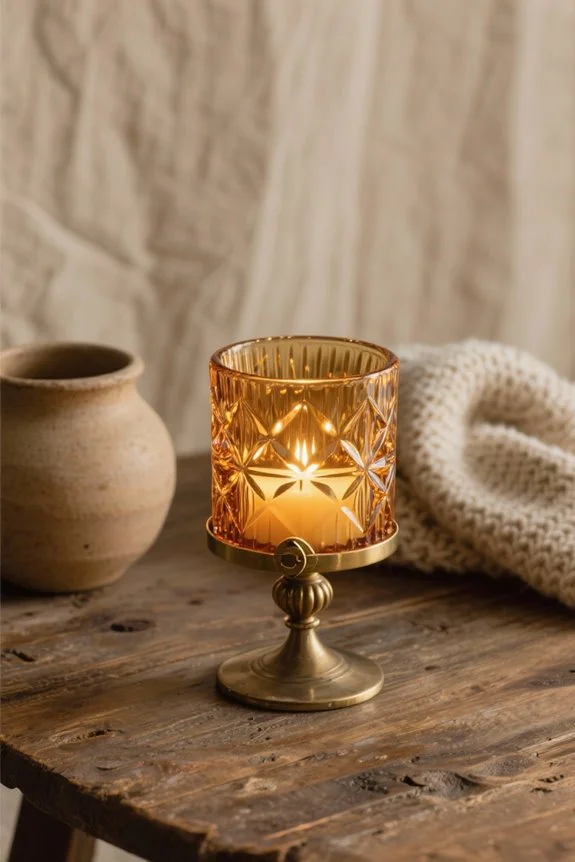
The best candle holders do more than make a flame look attractive. They keep candles upright, catch wax, protect nearby surfaces, and help a room feel intentional. Before choosing a design, identify the candle type you use most often, the location where it will sit, and how much maintenance you are willing to do. A delicate glass holder may suit a dining table, while a heavier metal or stone design may be better for a busy entryway or outdoor covered space.
Popular Candle Holder Materials Compared
Glass is a versatile choice because it lets candlelight remain the focus. Clear glass works well with nearly any decor, while tinted or textured glass adds color and diffuses the flame. Votive and tea light holders are often made from glass because the material creates a soft glow around a small candle. Look for thick, heat-resistant glass with a stable base rather than very thin decorative glass that may chip or become hot to handle.
Metal candle holders offer strong visual definition and can be easier to coordinate with hardware, lighting, and furniture. Brass and gold finishes bring warmth, black metal creates contrast, and silver or polished steel has a cleaner contemporary effect. Metal can become hot during use, so choose a design with a broad base and enough space between the flame and any surrounding material. Painted finishes should be kept away from direct flame unless the holder is specifically designed for that purpose.
Ceramic and porcelain holders are popular for their color, texture, and handcrafted appearance. They suit casual, coastal, farmhouse, and eclectic rooms particularly well. Their weight can improve stability, but glazed surfaces may show soot or wax more clearly than metal. Inspect the candle socket carefully: a holder that is too shallow may allow a taper to lean, while a narrow opening can make inserting and removing the candle difficult.
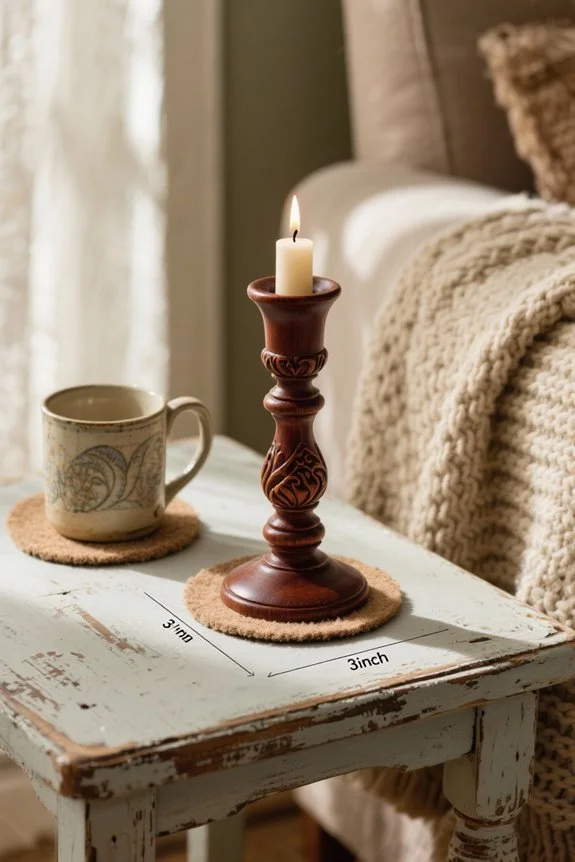
Stone, marble, concrete, and wood can add natural texture, but each material has limitations. Stone is heavy and steady, although porous surfaces may absorb colored wax. Wood should only be used when the product is designed and treated for candle use, with the flame safely separated from combustible sections. For a warm neutral palette, a Brown finish can blend with wood furniture and woven textiles without looking overly formal.
When comparing catalog picks, consider the trade-off between appearance, weight, candle compatibility, and cleanup. A lightweight decorative holder may be easier to move but less resistant to bumps, while a heavier holder can provide better stability but may be harder to store. A glass option usually offers attractive light diffusion, whereas metal may provide a more structured silhouette and greater resistance to small knocks. Check dimensions and care instructions rather than judging suitability from photographs alone.
Choosing Between Taper, Votive, Tea Light, and Pillar Holders
Taper holders are made for tall, narrow candles with a base that fits into a socket. The fit should be snug enough to keep the candle vertical without forcing it into place. If the candle is slightly narrow, a small amount of wax can sometimes help secure it, but a holder with the correct socket size is the safer and neater solution. For dining tables, choose a height that does not block conversation across the table.
Votive holders surround short votive candles and usually have enough depth to contain melted wax. They are useful for grouped arrangements on mantels, shelves, and dining tables. Because votives can burn down into their containers, select holders that are easy to reach with a snuffer or long lighter. A removable cup or smooth interior also makes replacement and cleaning less frustrating.
Tea light holders are compact and designed for the small metal or plastic cups used by tea lights. Their simplicity makes them useful for scattering small points of light through a centerpiece, but their low profile means they can be easy to overlook when moving objects around. Place them on a nonflammable tray and avoid positioning them near napkins, paper decorations, or loose fabric.
Pillar holders support wider candles and often include a raised lip or shallow dish to catch wax. Match the holder diameter to the candle base so the pillar cannot slide. Some designs are intended to hold one large candle, while others form part of a graduated arrangement. A wide base is especially important for tall pillars, which can become top-heavy as they burn down.
Styles for Different Interior Design Schemes
For traditional interiors, look for turned silhouettes, antique-style finishes, and coordinated pairs. Brass, bronze, and dark wood can echo classic furniture and framed artwork. In a modern room, simple cylinders, geometric bases, and matte finishes create a cleaner look. Black metal holders can provide definition against pale walls, while a tray black finish can unify a cluster of different candle sizes on a coffee table or console.
Farmhouse and rustic spaces benefit from ceramic, aged metal, stone, and textured glass. Choose finishes that complement existing materials rather than adding another competing color. Coastal rooms often suit white ceramic, clear glass, pale wood, and soft blue accents. In an eclectic space, mismatched holders can look deliberate when they share one feature, such as a repeated finish, similar height, or common candle color.
Minimalist rooms usually need fewer pieces, not more decoration. One substantial holder or a small group with consistent proportions can create a stronger effect than a crowded collection. For soft ambient lighting, a holder made with hurricane glass can shield the flame from light drafts while adding a more finished appearance. When using several holders together, vary height modestly and leave enough space to prevent heat from transferring between pieces.
Recommended product
Use these catalog picks as a shortlist for candle holder buying guide: materials, styles, and safety features. Compare measurements, materials, and return terms side by side instead of buying from a photo alone.


Brands can be useful starting points when you are comparing construction and style ranges. Dawhud Direct may appeal to shoppers looking for practical decorative options across several formats. Melrose is a natural fit for those comparing traditional and seasonal styling, while Banberry Designs can be worth considering when a decorative holder needs to coordinate with a broader event or home accent scheme. Always confirm the individual product dimensions, candle size, and material because a brand name alone does not determine suitability.
Stability, Heat Resistance, and Flame Protection
Safety begins with a level, nonflammable surface. A holder should have a base wide enough for its height and weight, with no rocking when gently touched. Tall, narrow designs are more vulnerable to being knocked over, especially on shelves or tables used frequently. If children, pets, or heavy foot traffic are present, use lower, heavier holders and place them well away from edges.
Inspect how the holder manages melted wax. A raised rim, cup, or dish can protect furniture, but it should not be so shallow that wax runs onto the surface. Enclosed glass designs can reduce exposure to drafts, although the glass and metal components may still become hot. Never assume that a decorative lantern or hurricane-style holder is suitable for every candle; follow the maker’s instructions for candle size, ventilation, and maximum burn time.
Keep the flame clear of curtains, books, foliage, paper, and other combustible materials. Leave space above the flame as well as around it, since heat rises. Do not move a holder while the candle is burning or while wax is liquid. Extinguish candles before they burn down to the holder’s base, and use a snuffer or carefully pinch the wick out only when the design allows it without touching hot wax.
Cleaning and Maintaining Candle Holders
Remove loose wax only after it has fully cooled. For many glass and metal holders, placing the item in a freezer for a short period makes hardened wax easier to lift with a blunt tool. Avoid sharp knives, which can scratch finishes and create chips. Warm water and mild dish soap can remove residue from washable materials, but never pour very hot water onto cold glass because sudden temperature changes can cause cracking.
Porous stone, unsealed wood, and some painted finishes need more cautious treatment. Test any cleaner on an inconspicuous area, and avoid soaking materials that may absorb water. Soot on glass can often be wiped away with a soft, slightly damp cloth followed by thorough drying. For metal, use a cleaner intended for its specific finish; abrasive pads may remove plating, patina, or paint.
Before each use, check for hairline cracks, loose joints, chipped sockets, unstable bases, and wax buildup that could affect the candle’s position. Replace a damaged holder rather than trying to repair a heat-exposed part with household adhesive. Store holders in a dry place with padding between delicate pieces. These simple checks preserve the appearance of candle holders and reduce the chance that a small defect becomes a safety problem.
FAQ: Candle Holder Buying Guide: Materials, Styles, and Safety Features
What material is best for candle holders?+
Metal, glass, ceramic, stone, and wood candle holders each suit different needs. Metal and stone offer strong stability, glass works well for visible flames and modern interiors, while ceramic provides varied colors and shapes. Avoid untreated or highly flammable materials near an open flame unless they are specifically designed for candle use.
How do I choose the right candle holder size?+
Match the holder to the candle type and diameter, such as taper, votive, tea light, or pillar. A candle should fit snugly without forcing it, and the holder should be wide and heavy enough to prevent tipping. Check the holder’s stated dimensions before buying replacement candles.
What makes a candle holder safe and stable?+
Look for a broad, weighted base, heat-resistant construction, and a socket or cup that holds the candle upright. Hurricane-style holders, chimneys, and protective surrounds can help shield flames from drafts, but they still need ventilation and clearance from nearby objects. Always place candle holders on a level, heat-resistant surface.
Which candle holders suit different interior styles?+
Simple metal or glass holders suit modern and minimalist rooms, while ceramic and wood-look designs work well with rustic or traditional decor. Ornate brass, bronze, or vintage-style holders can complement classic interiors. Choose finishes and heights that coordinate with the room without overcrowding the display.
How should I clean and maintain candle holders?+
Let wax cool and harden, then remove it gently according to the holder’s material; warm water can help with some washable surfaces, while delicate finishes may need a soft cloth only. Avoid sudden temperature changes that can crack glass or ceramic, and check regularly for loose parts, heat damage, soot, or sharp edges. Replace a holder if it becomes unstable or cracked.